CASE STUDY · NO. 037

The Brief
This Aston Martin DB4 arrived at the workshop with a number of significant issues, including evidence of poor previous repairs, structural corrosion, and major mechanical wear. The brief was clear: restore the car properly, improve reliability and performance, and ensure the vehicle could be enjoyed confidently for years to come. Over the course of 12 months, the car underwent a comprehensive mechanical and structural restoration programme, combining traditional craftsmanship with modern engineering accuracy.


Our Solution
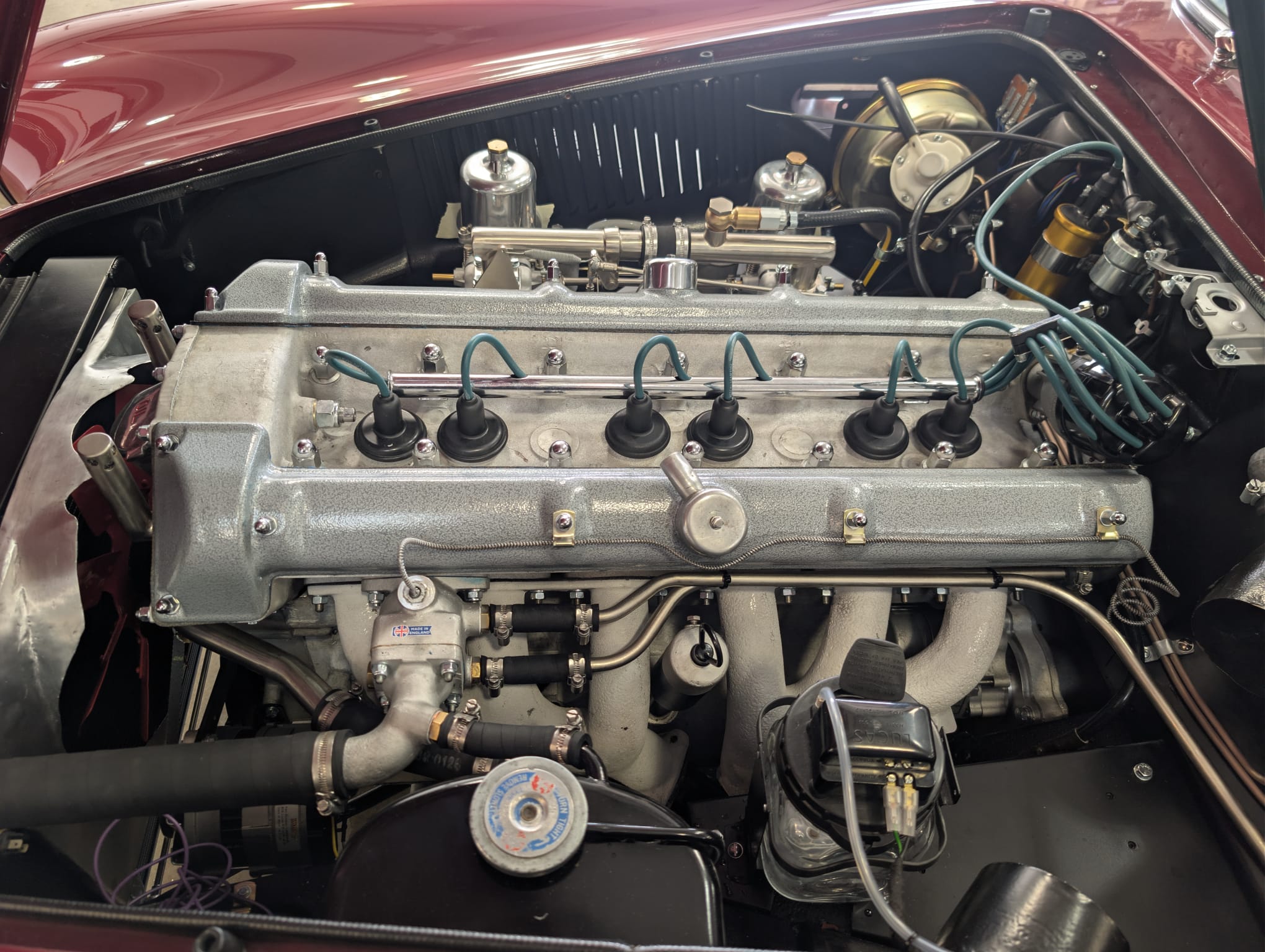
After 12 months of restoration work and a successful test and shakedown period, the Aston Martin DB4 was completed and returned to its owner. The finished car retained all of the character and elegance expected of a classic DB4 while benefiting from major improvements in structural integrity, drivability, reliability, and engineering quality. The result is a beautifully restored Aston Martin ready to be enjoyed for many years to come.
The Project
Engine Rebuild
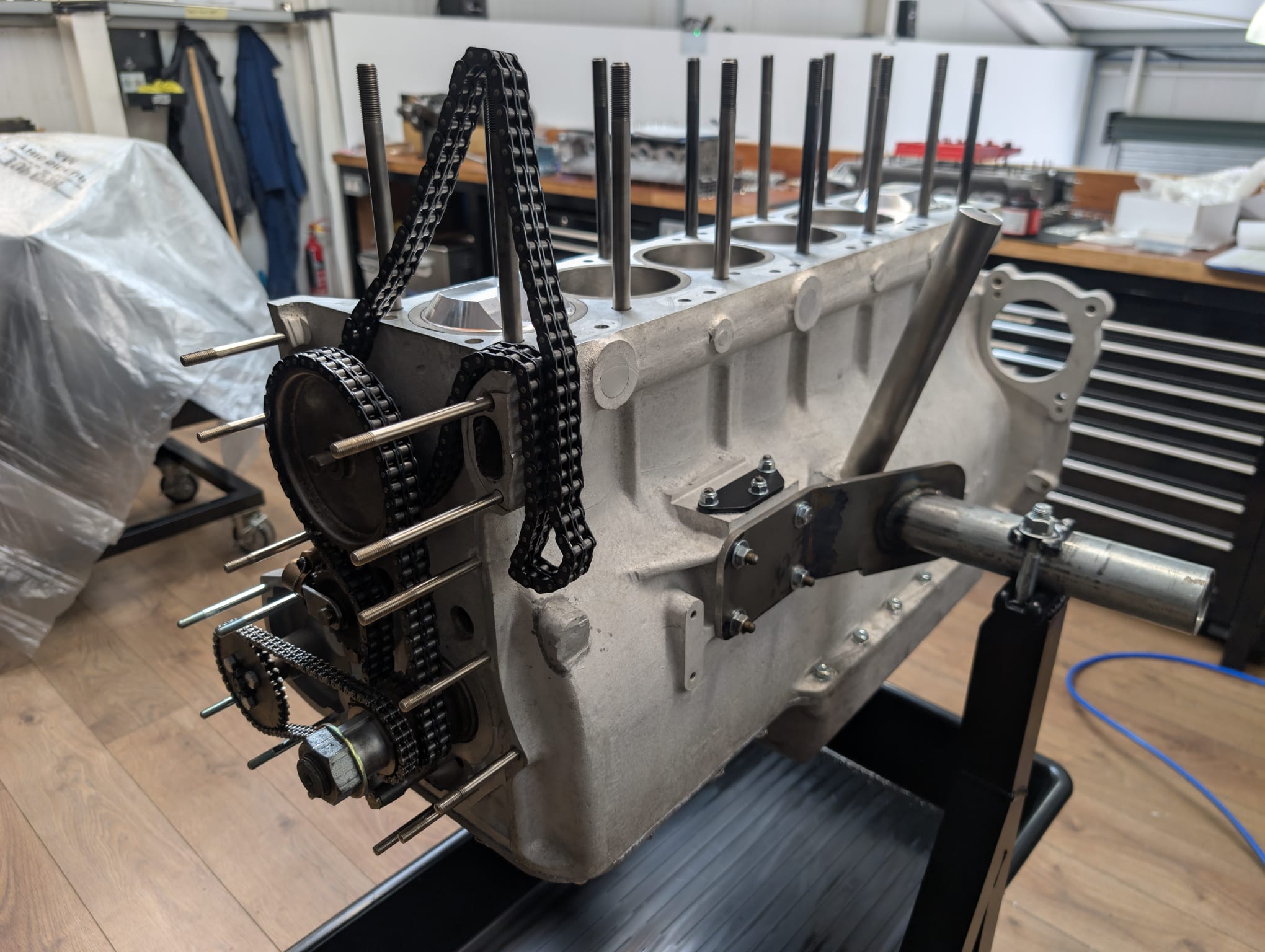
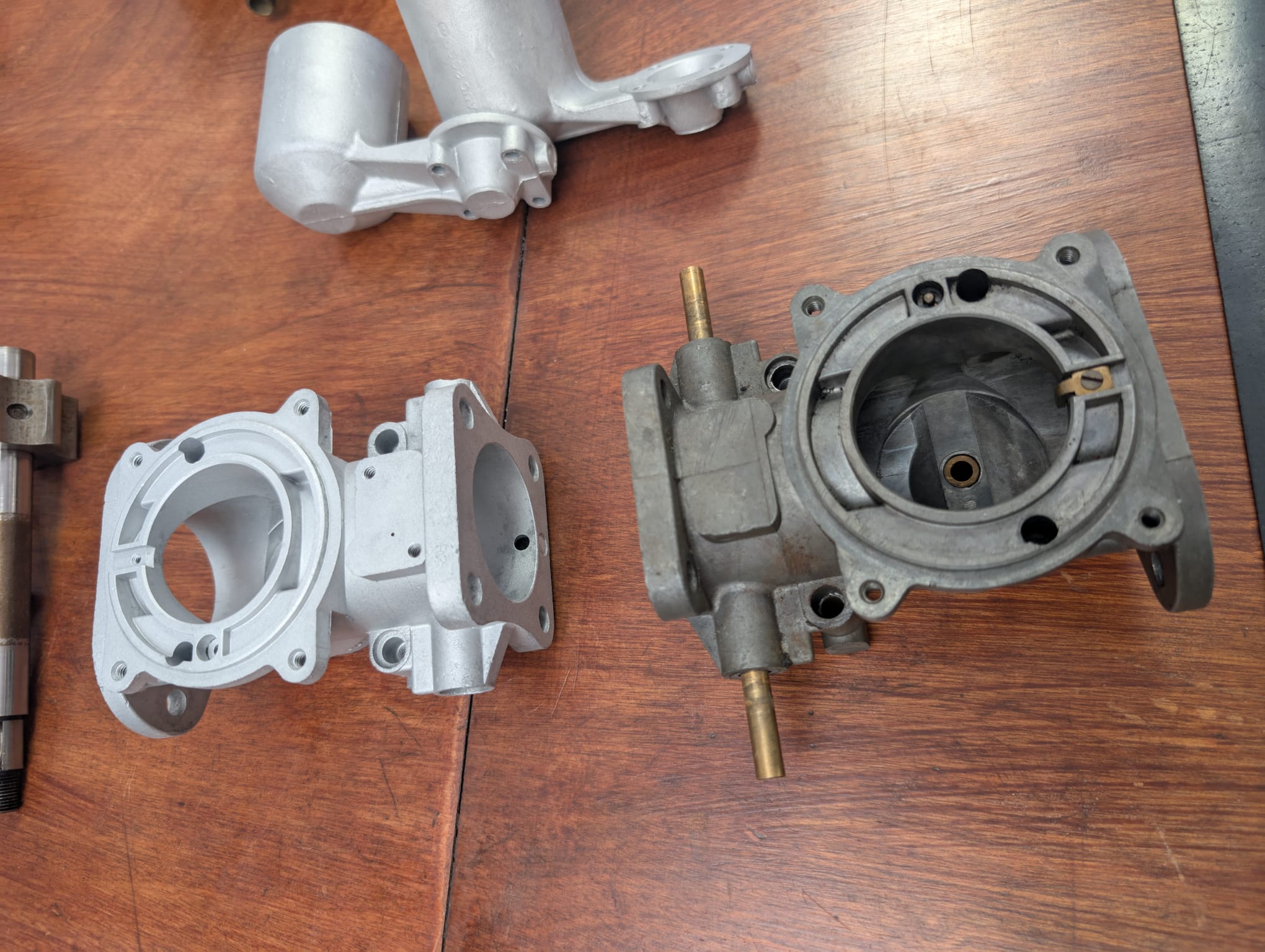
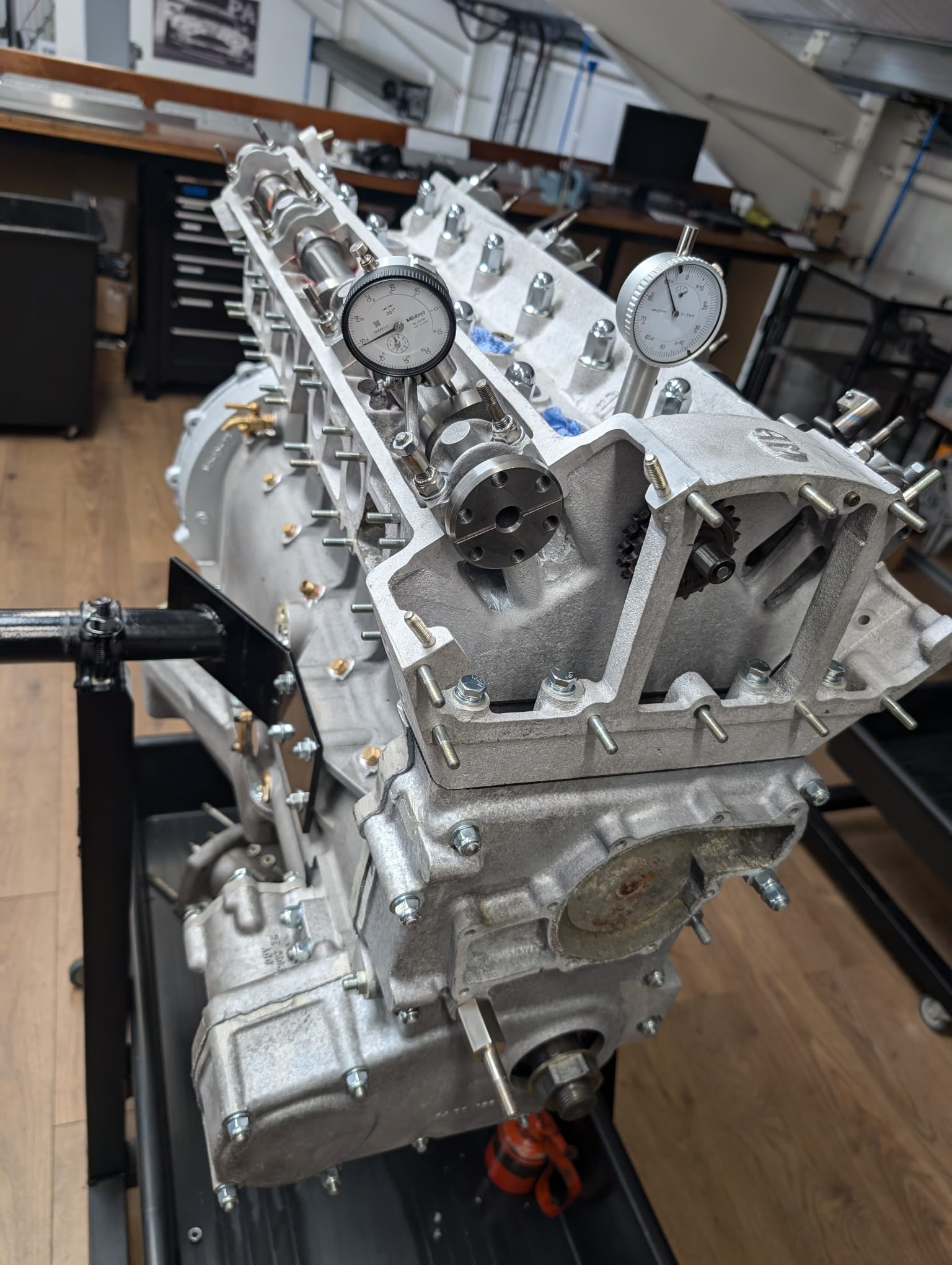
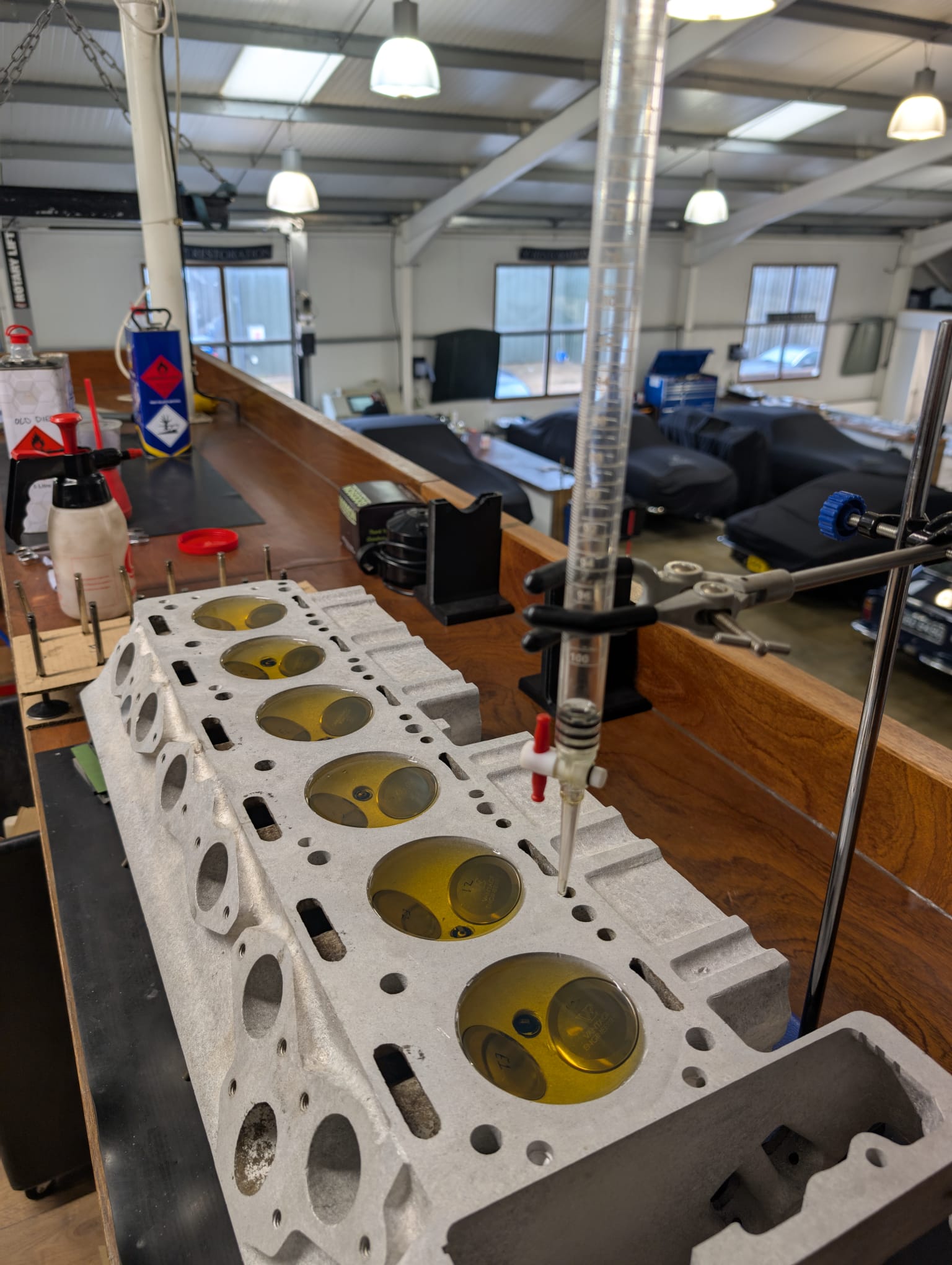
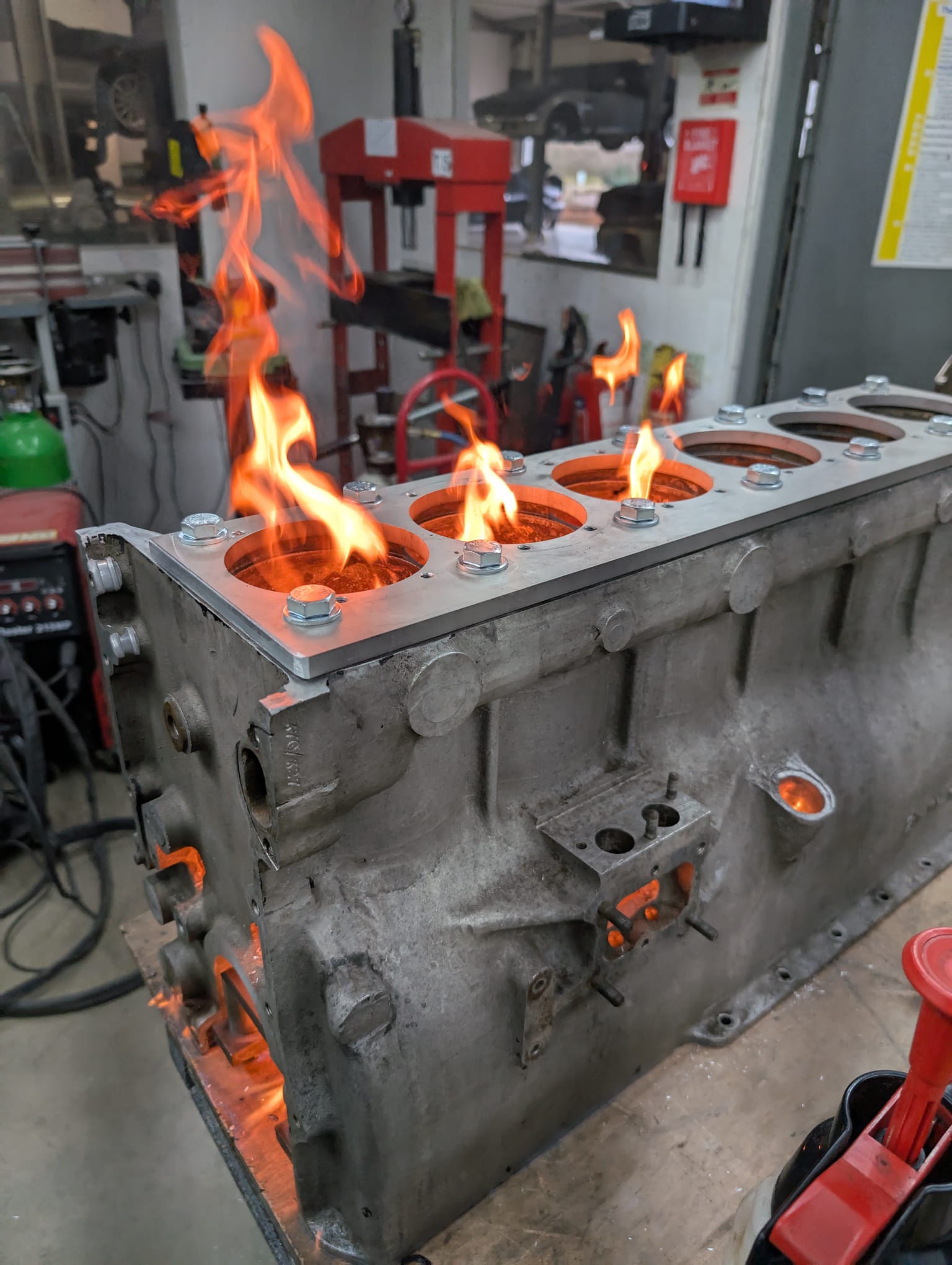
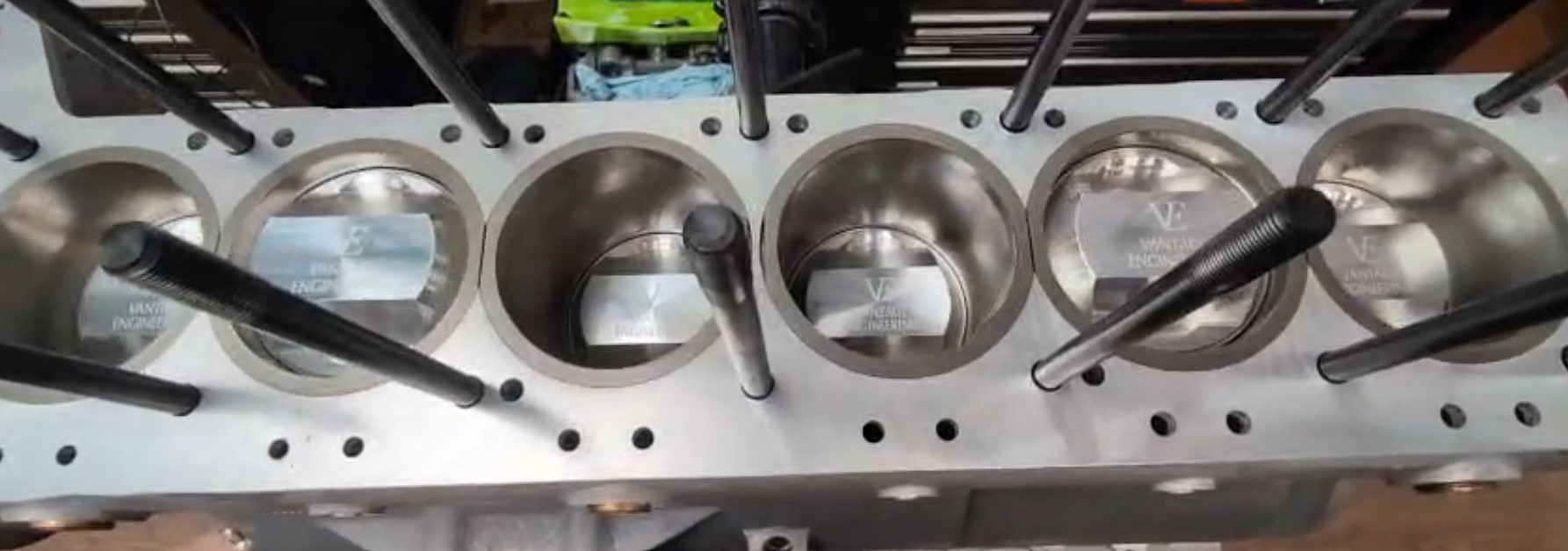
The engine was completely dismantled, inspected, and rebuilt by hand to full Vantage Engineering 4.2 specification. Extensive machining, precision measurement, and careful assembly were carried out throughout, with every component checked and calibrated to ensure reliability, performance, and drivability. Upgraded internal components and meticulous cylinder head and valve train preparation resulted in a stronger, smoother, and more responsive engine while retaining the character of the original DB4.
Sump Restoration
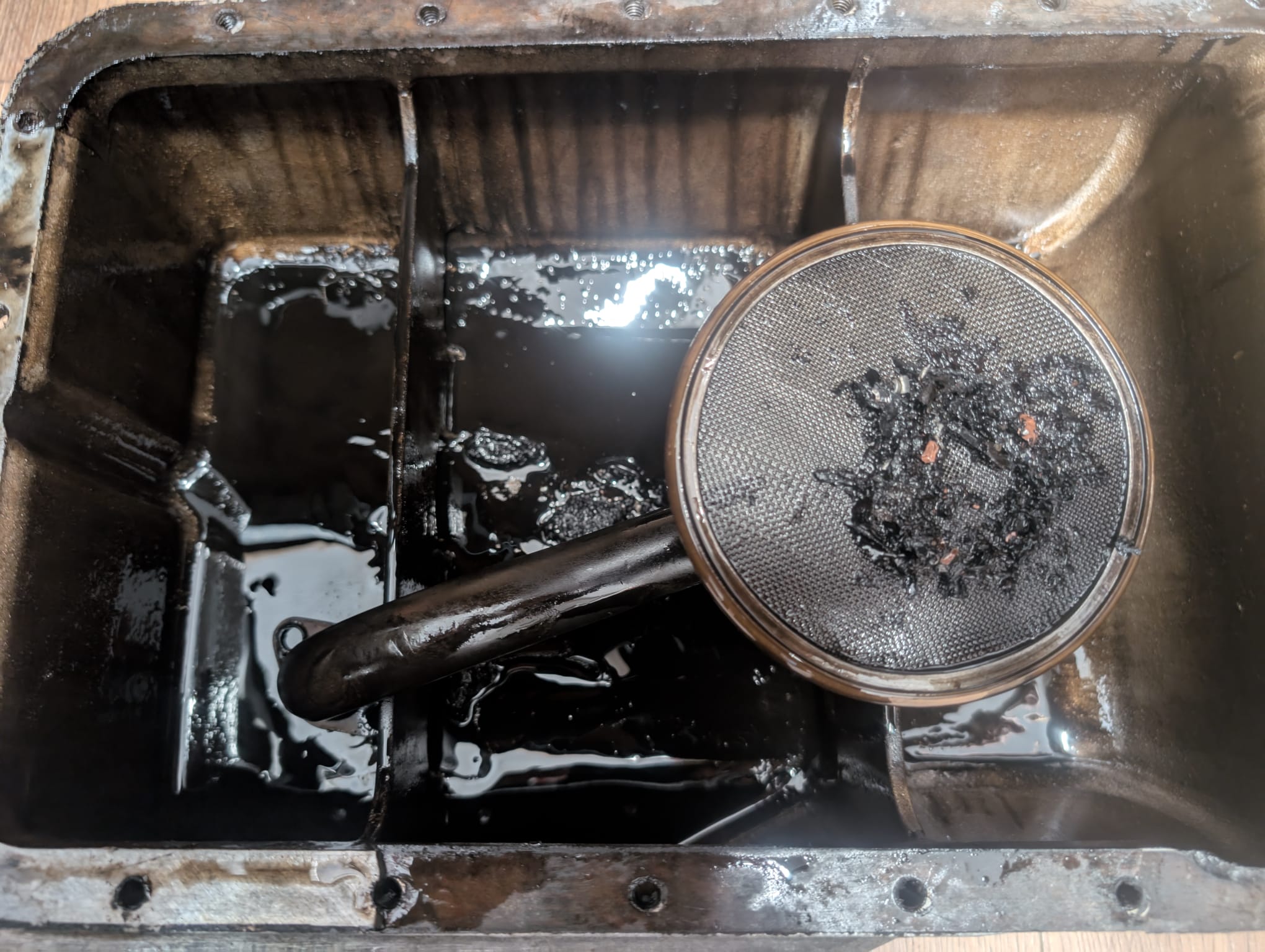
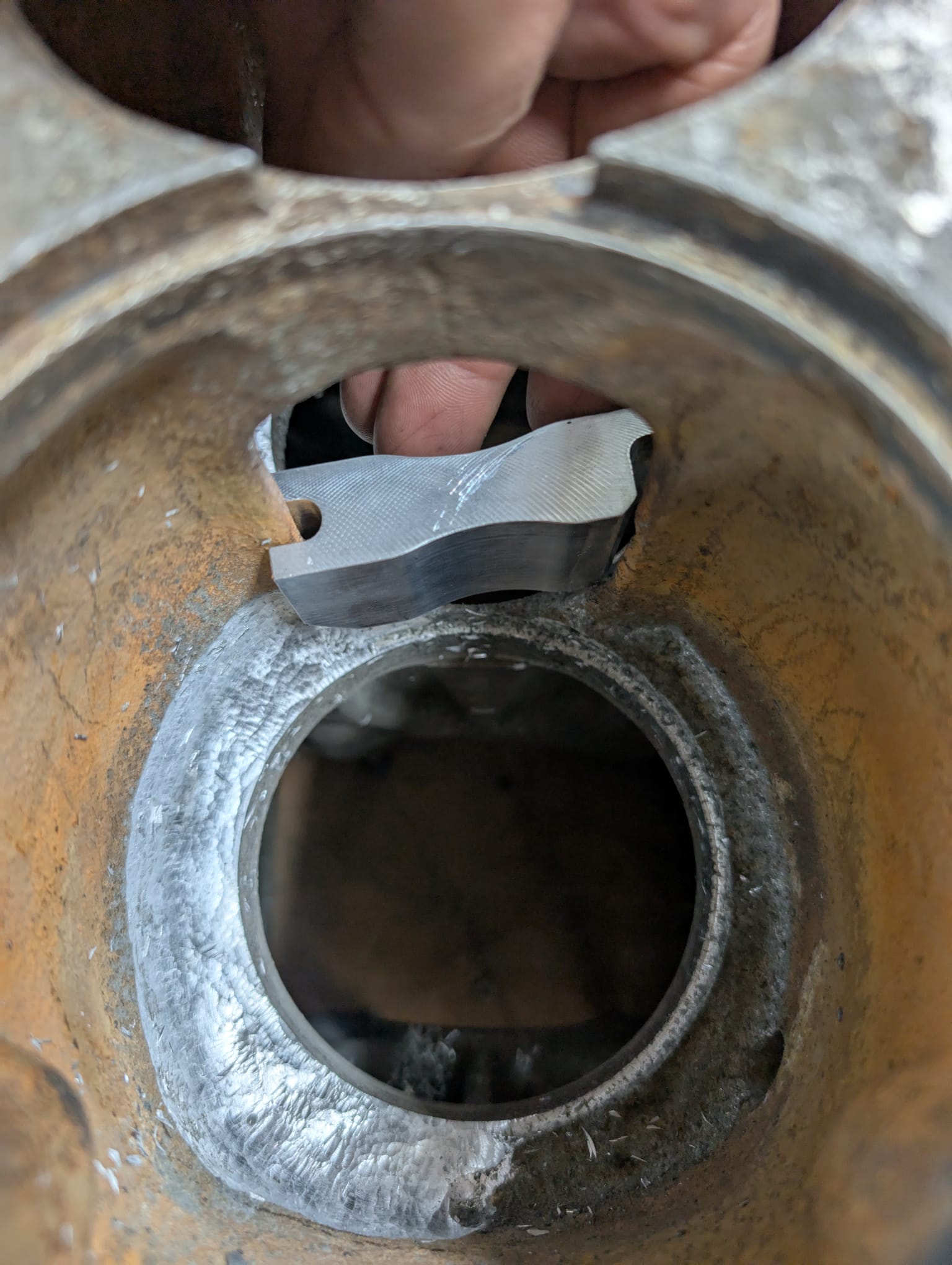
During the engine rebuild, significant defects were discovered within the sump assembly, including failed previous repairs and extensive contamination. The sump underwent substantial welding, fabrication, and reshaping work before being refinished to restore its structural integrity and ensure correct oil control.
Structural Corrosion Repairs
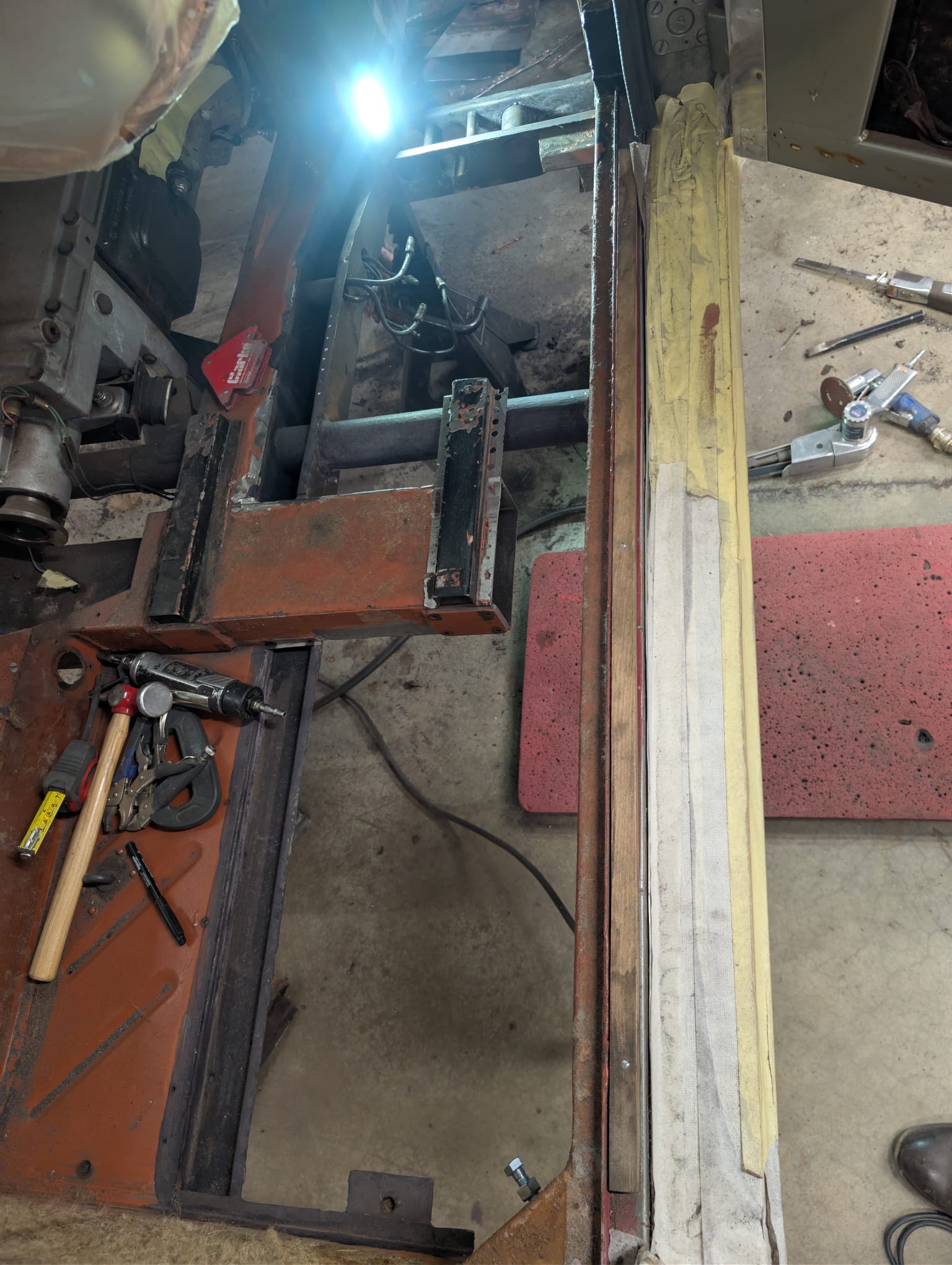
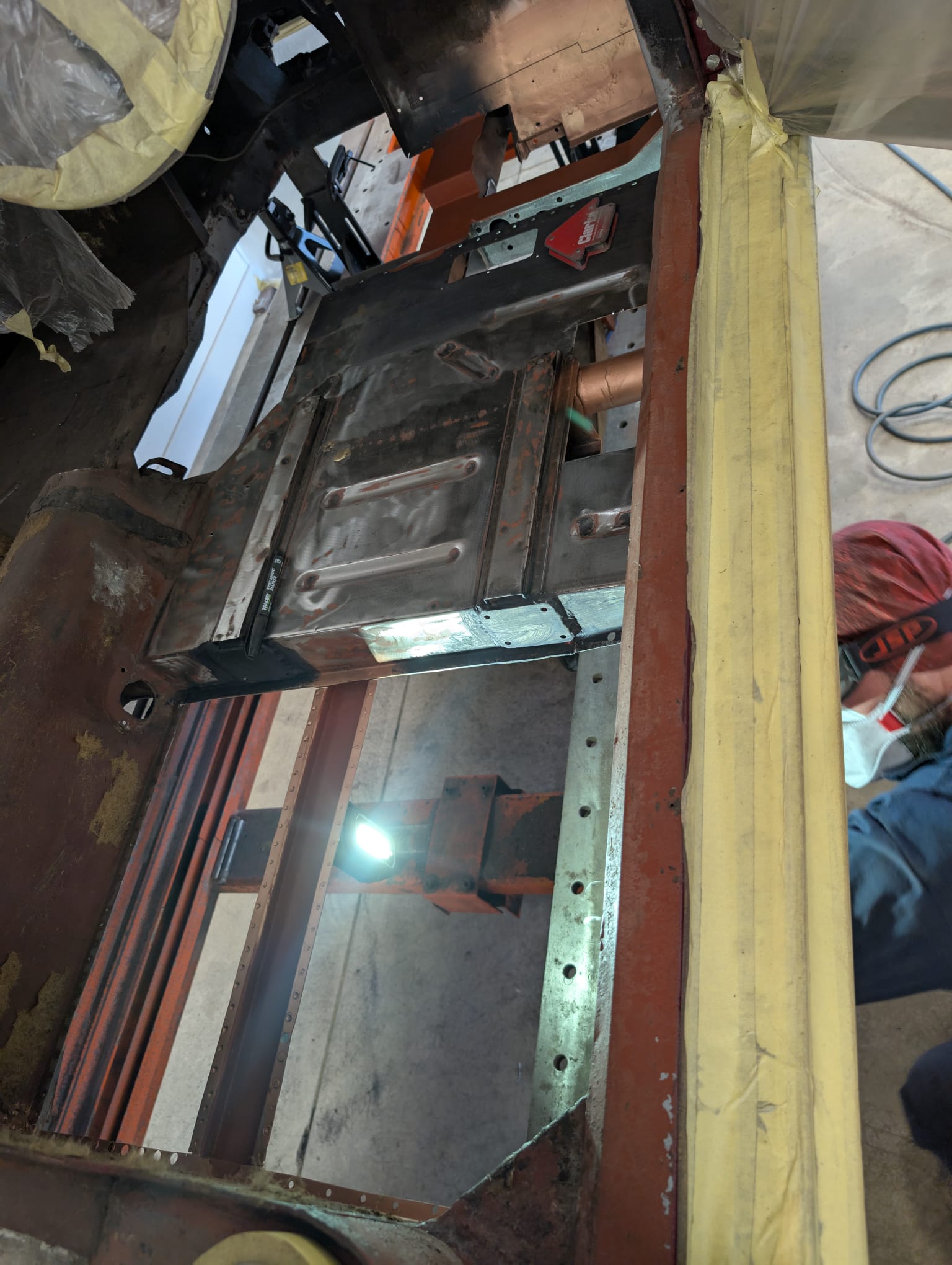
While the engine was being rebuilt, extensive structural corrosion and evidence of poor previous repairs were addressed. Due to the hand-built nature of the car, replacement sections had to be individually fabricated to match the vehicle’s unique dimensions. Corroded metalwork was removed and replaced with expertly crafted and welded repair sections to restore the body structure.
Chassis and Suspension Restoration
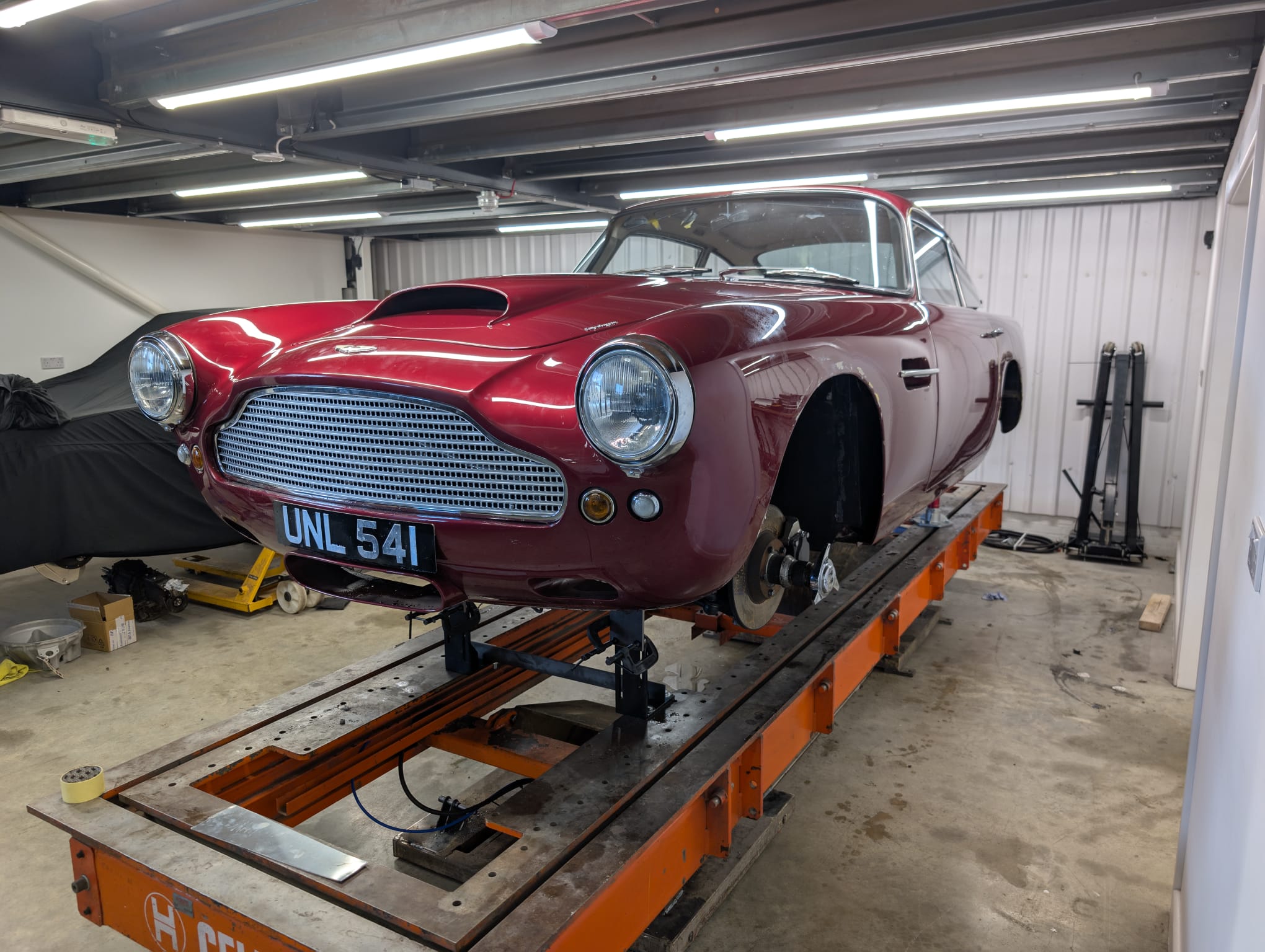
Following completion of the structural repairs, the chassis and running gear were refurbished. The axle was rebuilt, the suspension was carefully tuned to suit the owner’s requirements, and the vehicle was laser aligned to optimise handling, stability, comfort, and overall road performance.
Fuel System and Interior Restoration
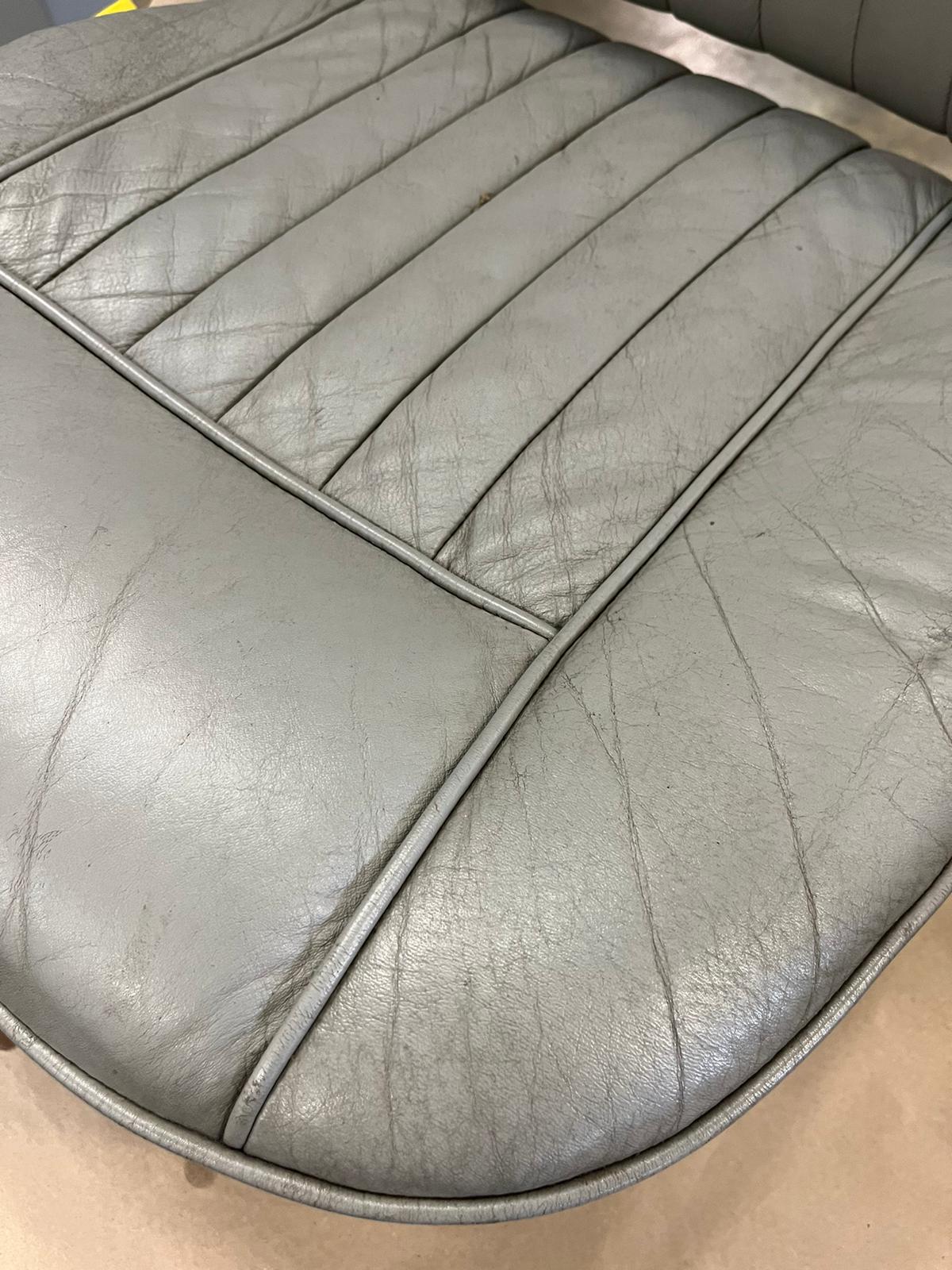
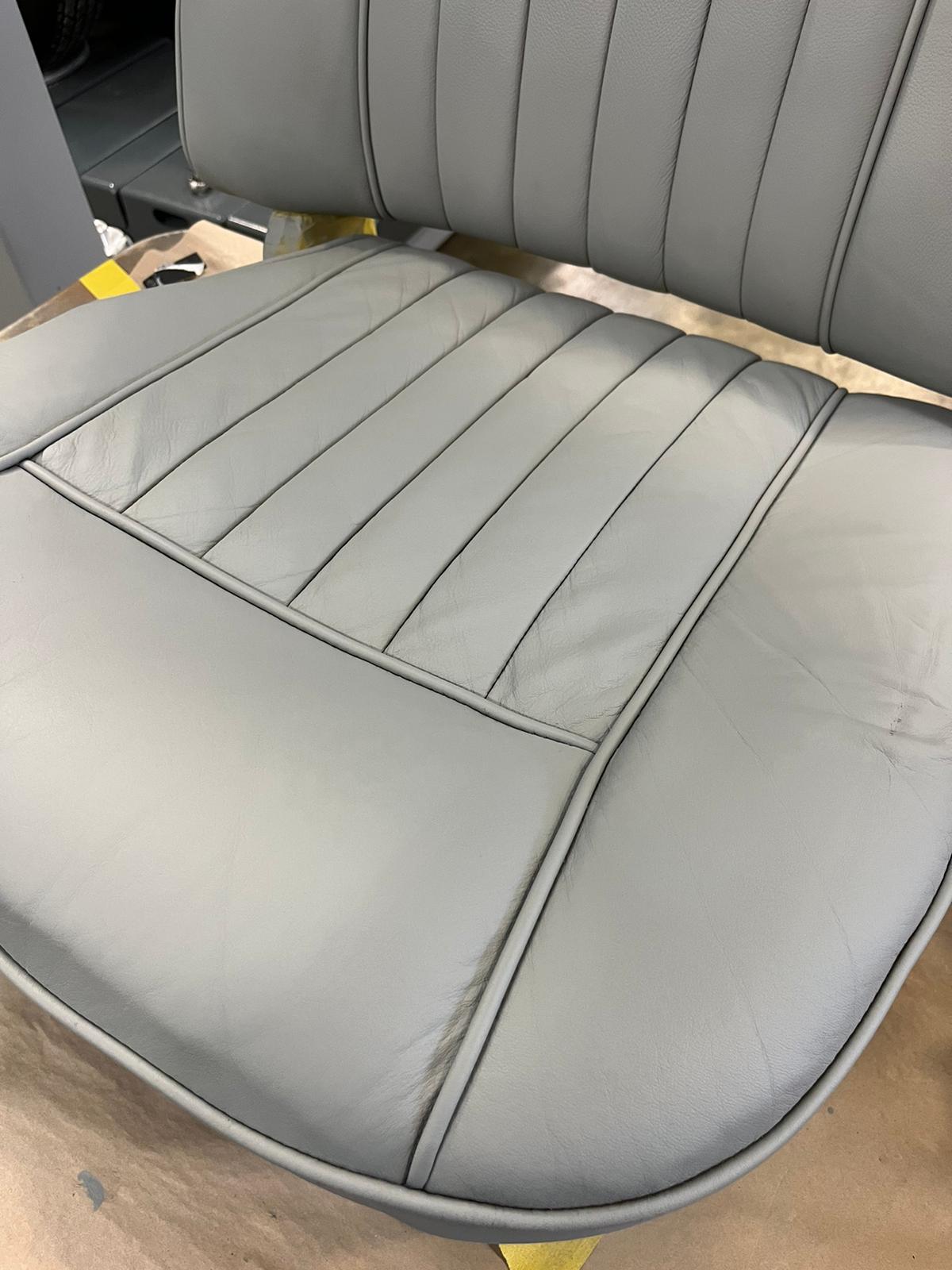
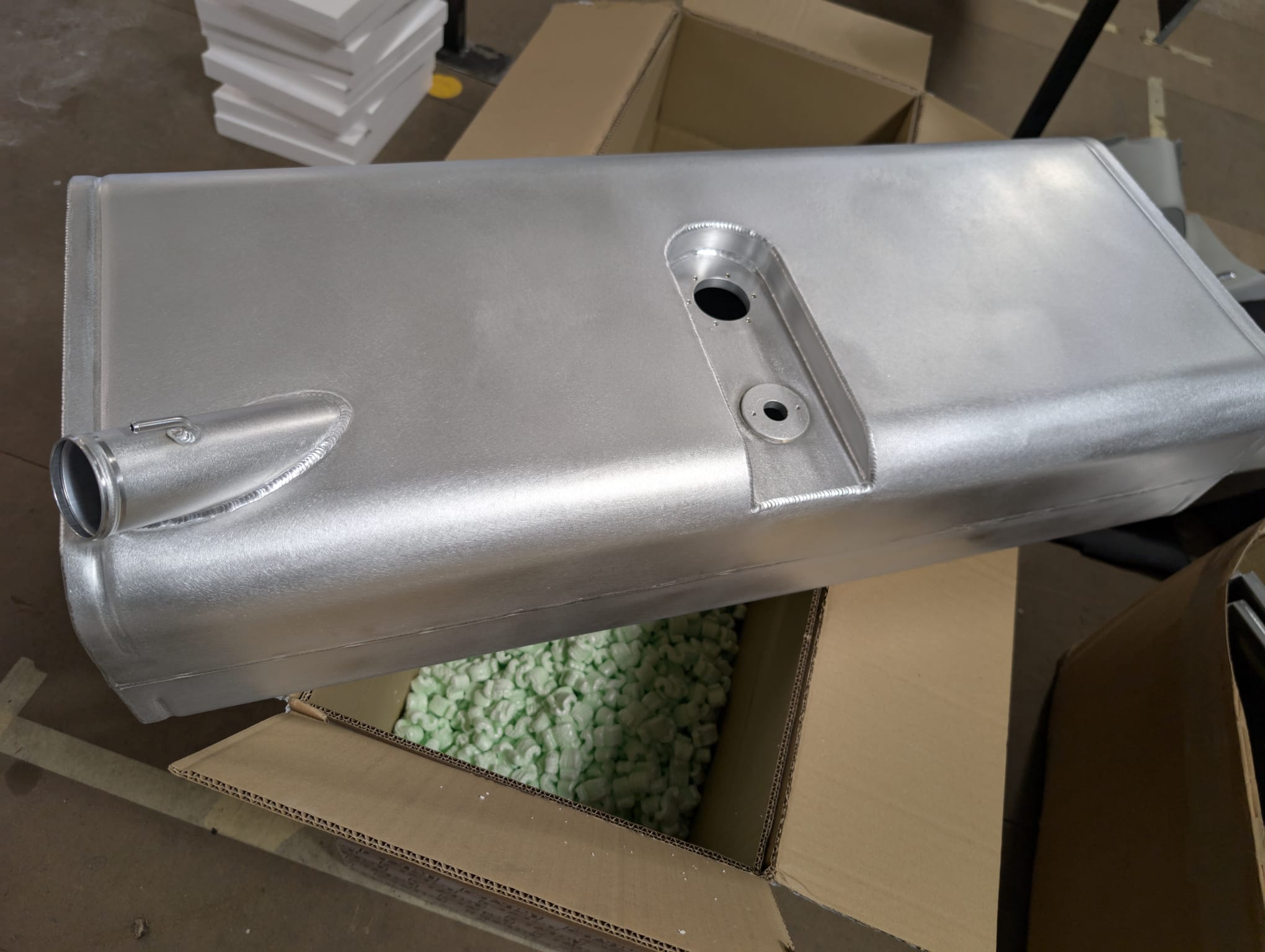
The original fuel tank had deteriorated beyond serviceable condition and was replaced with a new unit to improve reliability and durability. At the same time, the interior trim was professionally repaired and restored, complementing the extensive mechanical and structural refurbishment undertaken elsewhere on the vehicle.
Heater Box Restoration
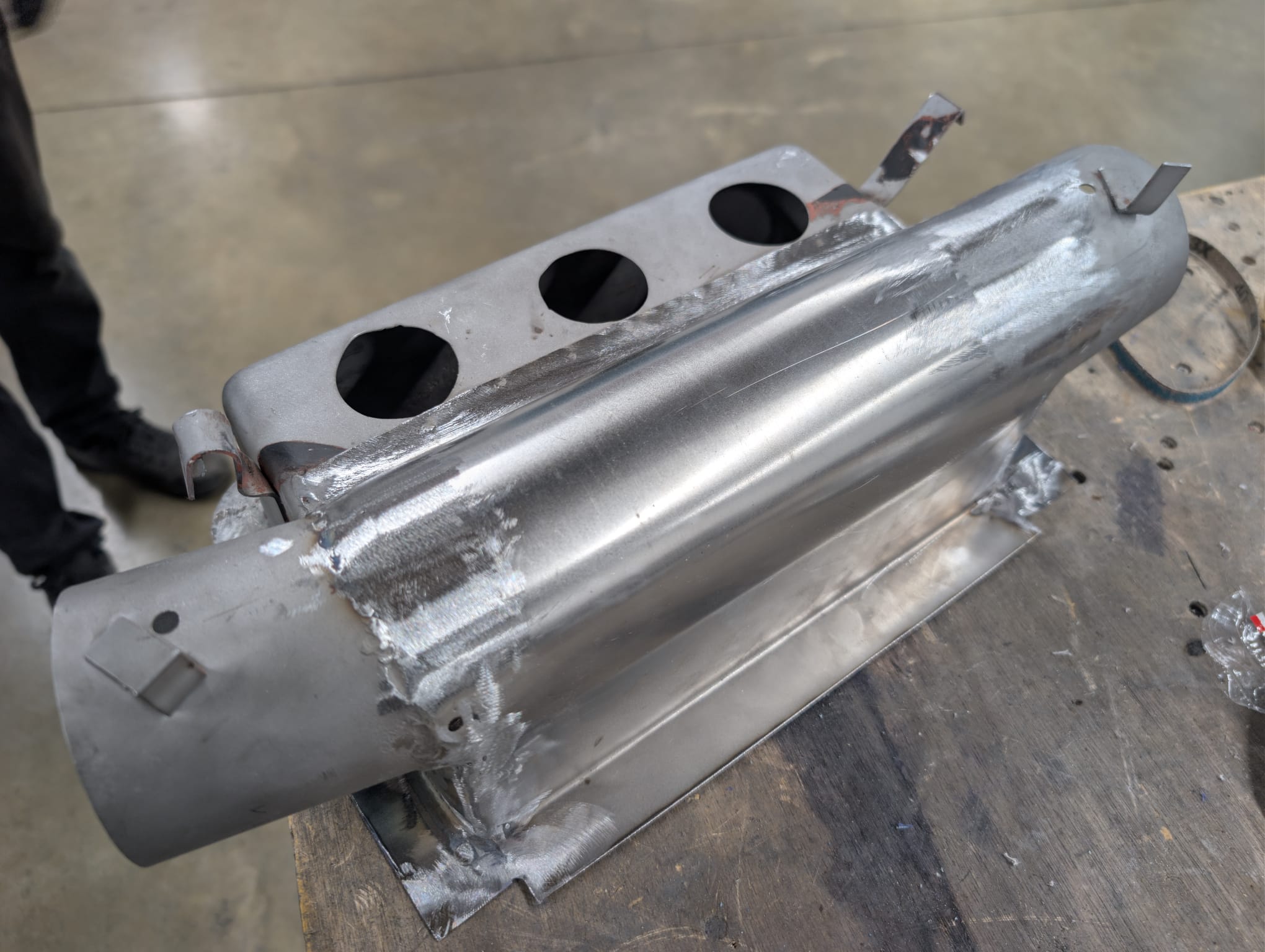
Significant corrosion within the heater box assembly required its complete removal and dismantling. A new heater box was carefully fabricated and installed, with every effort made to preserve as much of the original material and character as possible while restoring full functionality.
Gallery